
A real problem
You choose a problem from drug safety, clinical trials, regulatory, real-world evidence or discovery, or bring one from your own field.
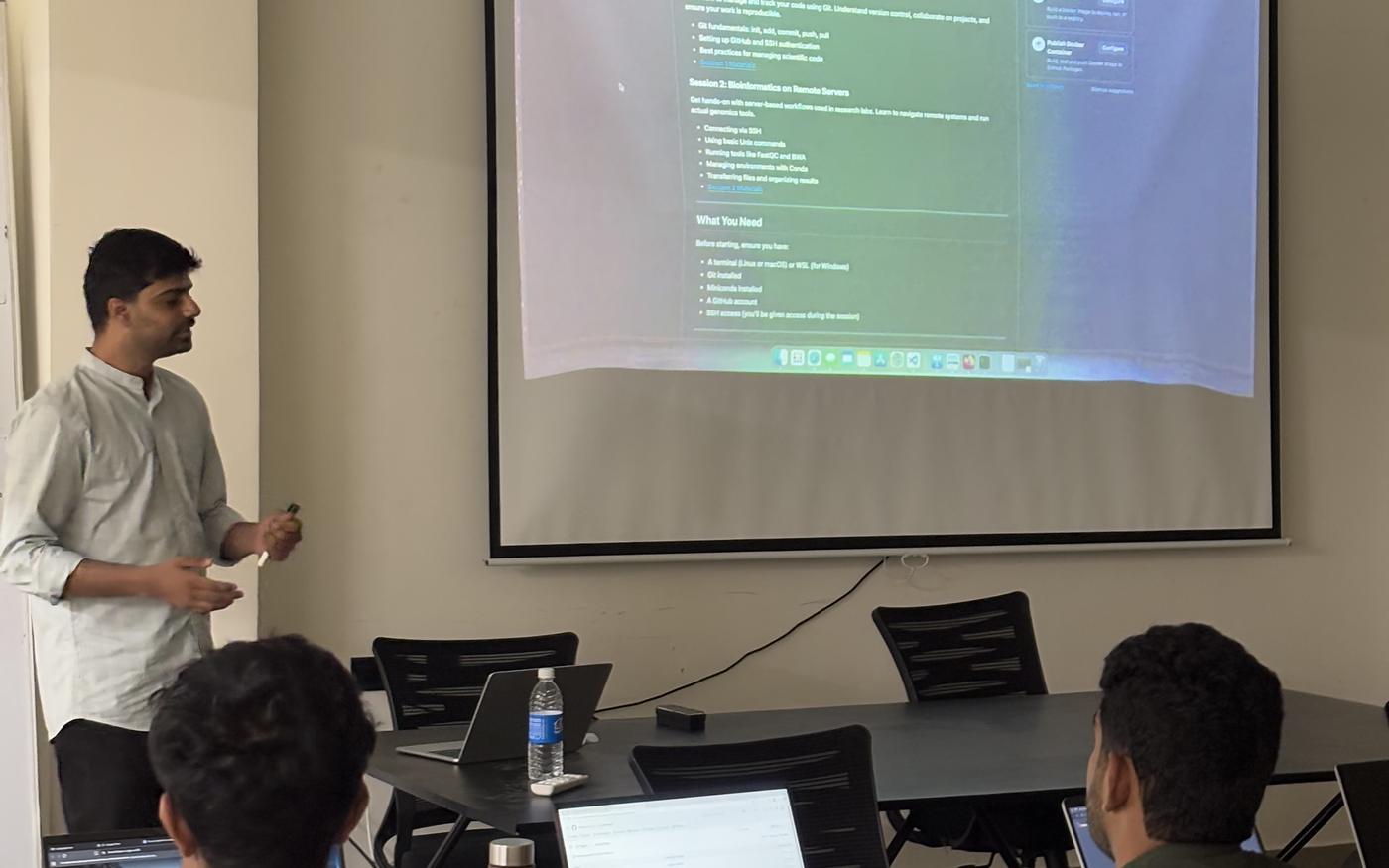
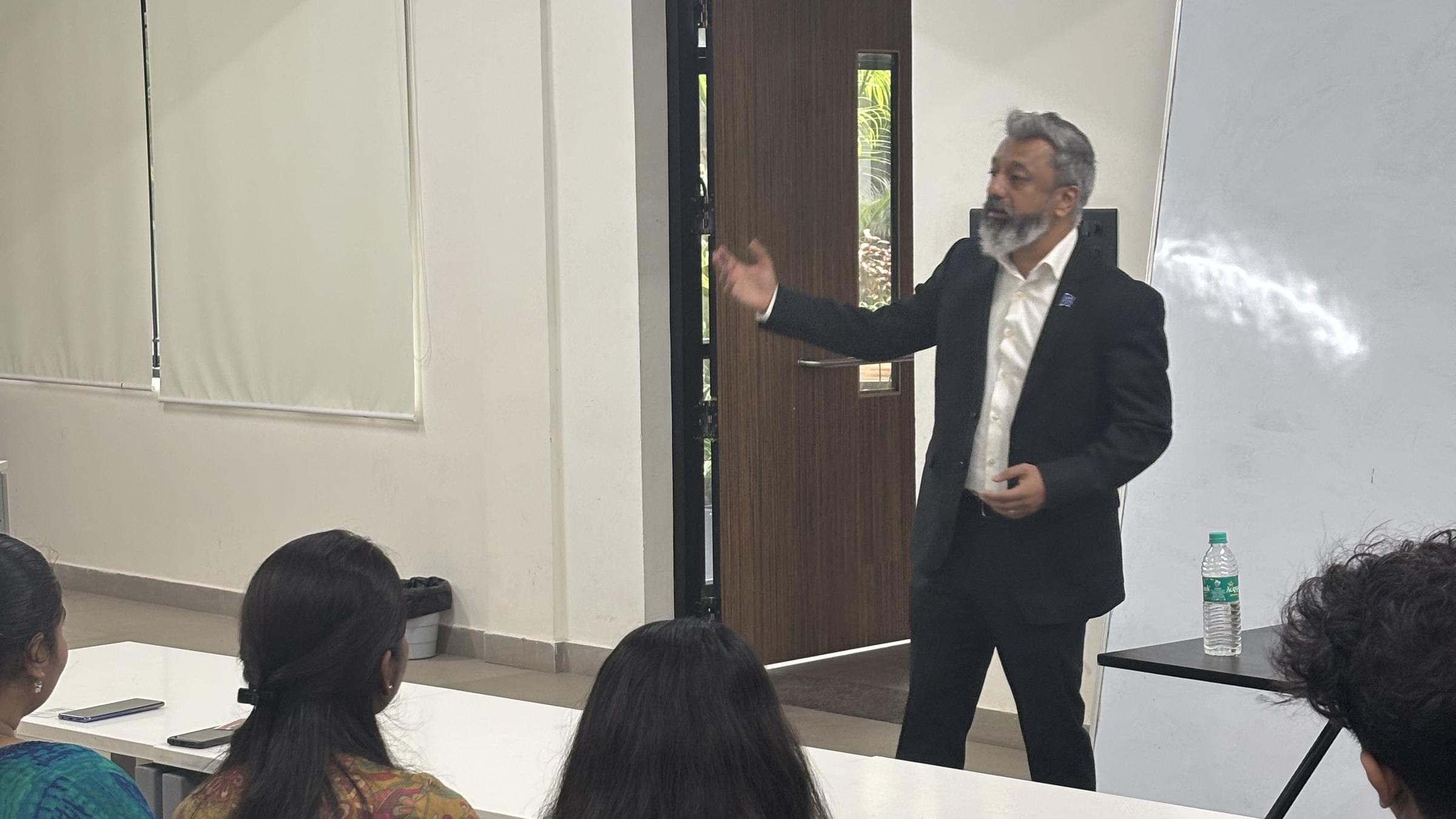
Seven days to build a working AI tool on a real life-science problem, alongside specialists from the industry.
Only for people already working at life-science GCCs and the service companies that work with them.
Request an inviteBiotech Foundry brings together people from across life sciences for one week to build AI tools on real drug-development problems.
It is a chance to step out of your usual role and become the person who builds. You pick a problem worth solving, work on it with specialists who know the field, and finish the week by showing your tool to a room full of people who care about the same problems you do.
You go back to work with the tool, the know-how to build the next one, and a close group of peers from the life-science GCC community who built alongside you.
A few of the tools you could build in the week. Pick one, or bring an idea of your own.
Each build is a research prototype on public data, not a validated product. That is what makes it possible in a week.
Four evenings online, after work, then three days in your city.
You arrive with an idea, your own or one from the list. By the end of the evening it is a one-line problem statement a specialist has agreed to.
You load the public dataset your problem lives in and find out what it can and cannot answer.
You assemble the AI parts rather than writing a model from scratch, and learn what each part does along the way.
A one-to-one call with a specialist to decide what the finished tool will do, and what it will not.
You meet the cohort and build all day with the specialists beside you. Friday is a working day, so you will need one day of leave.
A simple interface that anyone in your team could open, and an honest record of where it works and where it fails.
You write a one-page business case, then demo the tool live to the cohort and invited guests. Six minutes each, recorded for you.
A real problem, people who know the field, and something you keep.
You choose a problem from drug safety, clinical trials, regulatory, real-world evidence or discovery, or bring one from your own field.
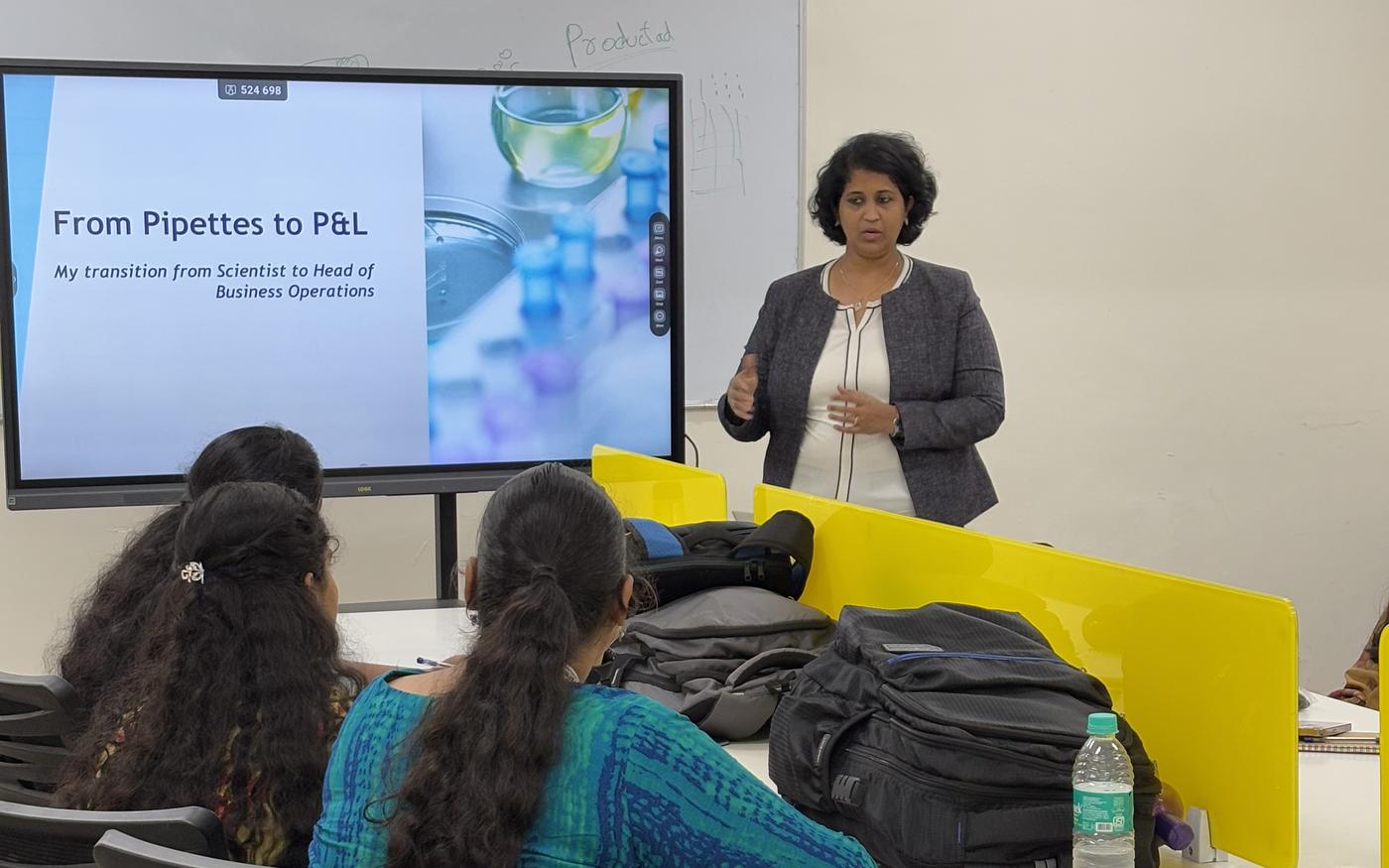
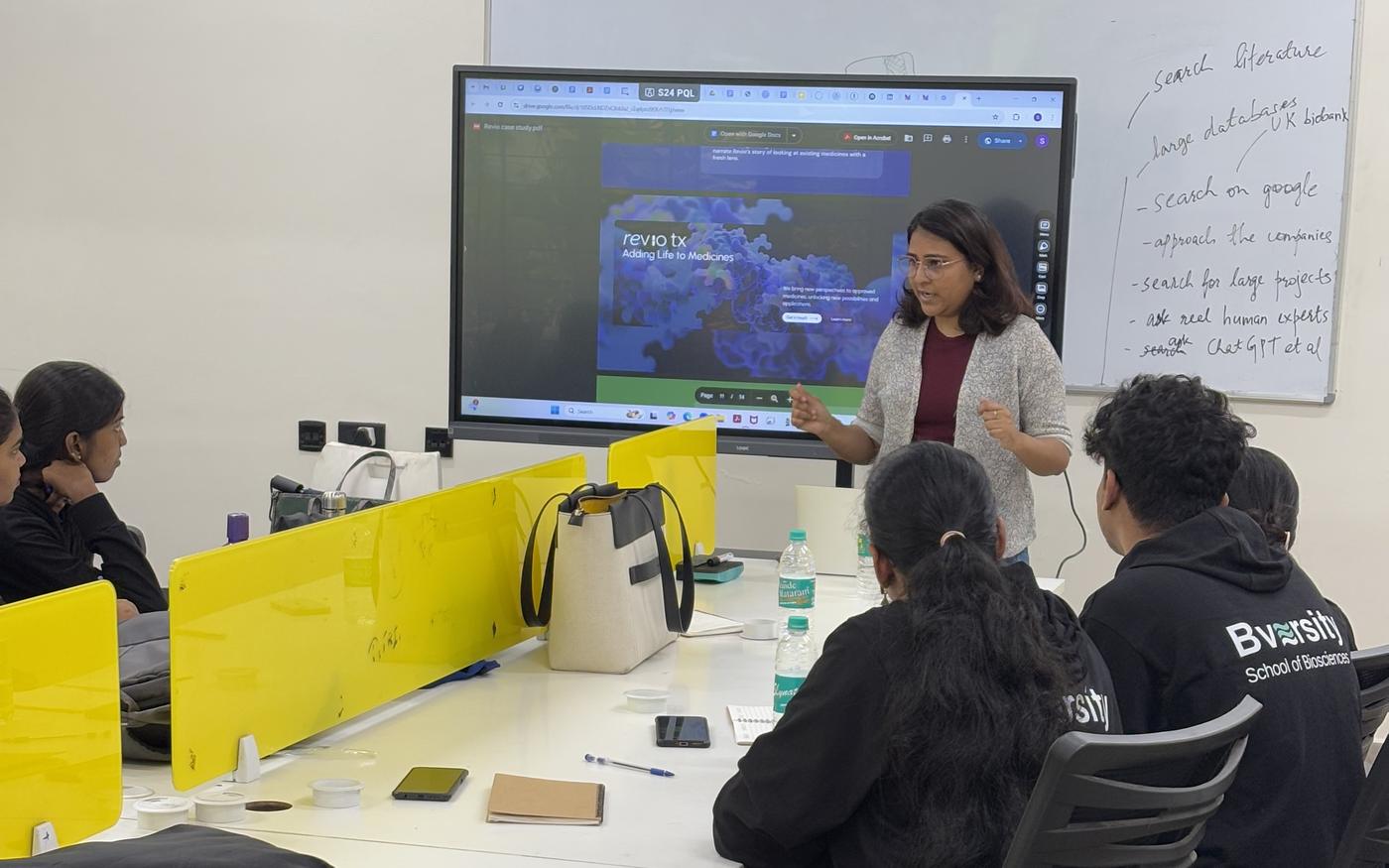
People who do this work today guide you through the week, from scoping the problem to reviewing what you built.
Every build runs on public or synthetic data, such as FAERS, ClinicalTrials.gov, Synthea or ChEMBL. Nothing from your employer is used, so there is nothing to clear with compliance.
A tool your team can open on Monday. You leave with:
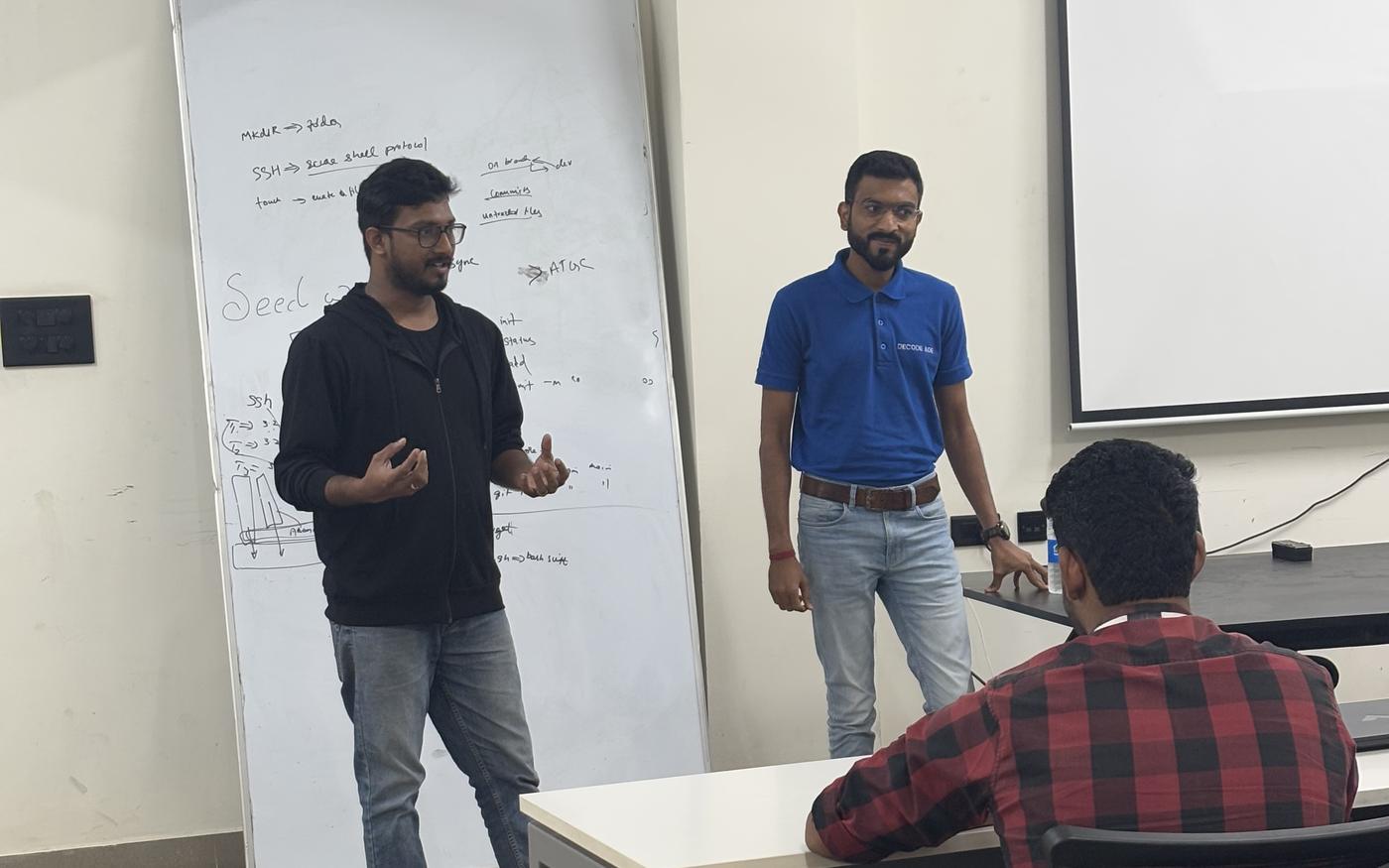
This edition is for professionals at life-science GCCs and at the service companies that work with them, such as CROs and life-science IT and analytics firms. Students and freshers can't join this one.
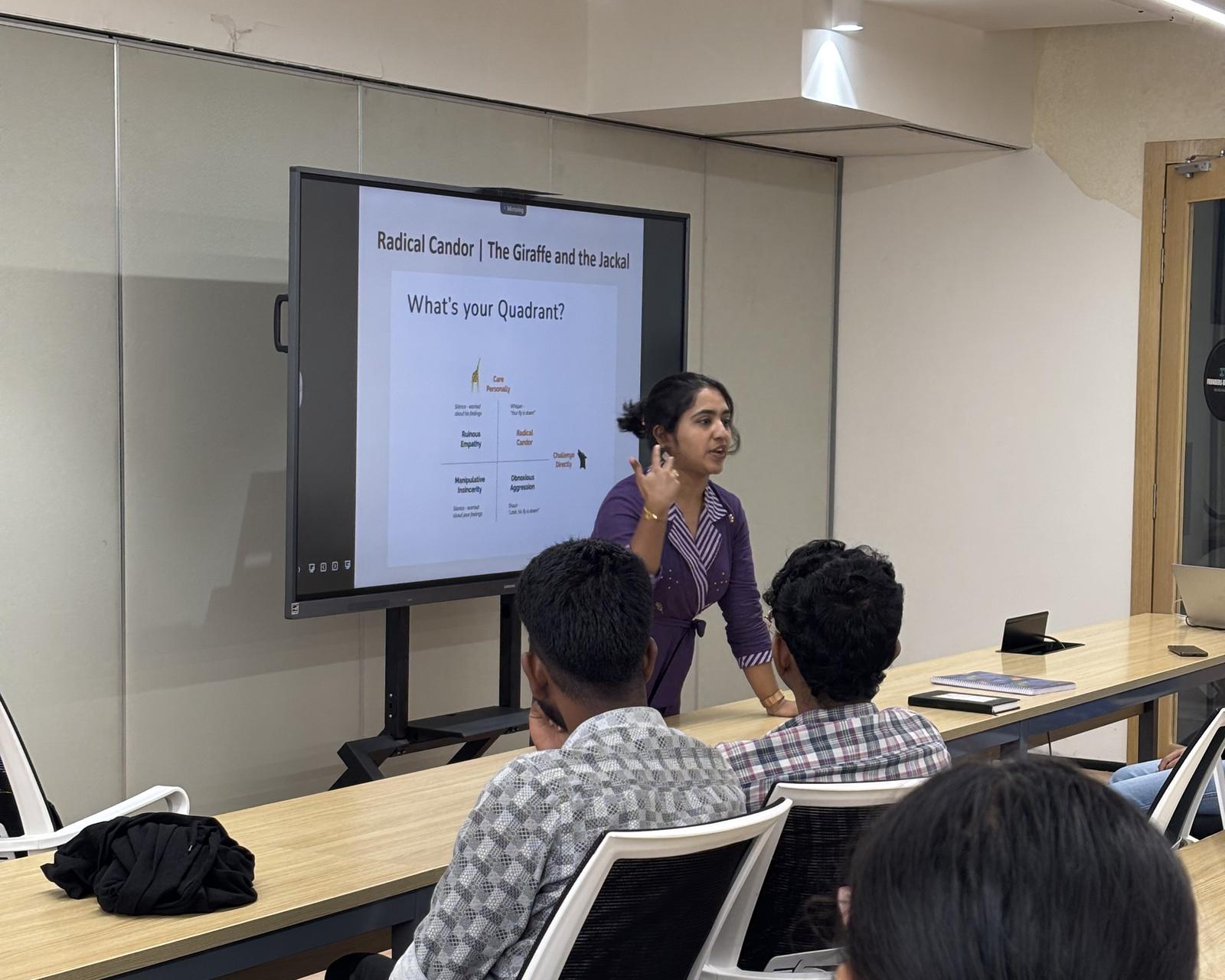
You process cases, work signals and write up what the data shows.
You manage trial data, write analyses or prepare submissions.
You build cohorts and answer questions from claims and records.
You work on targets, compounds or the data around them.

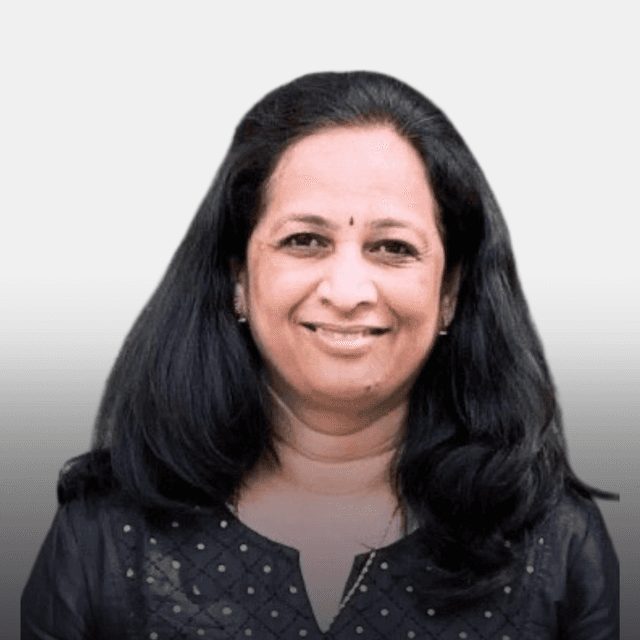
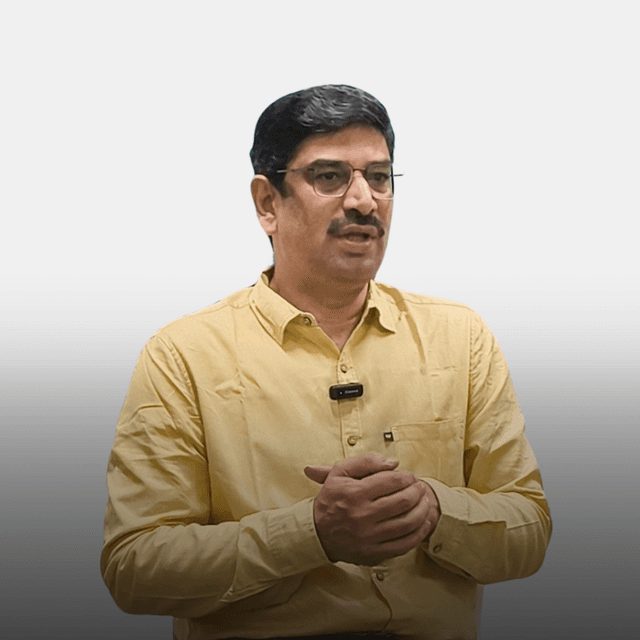
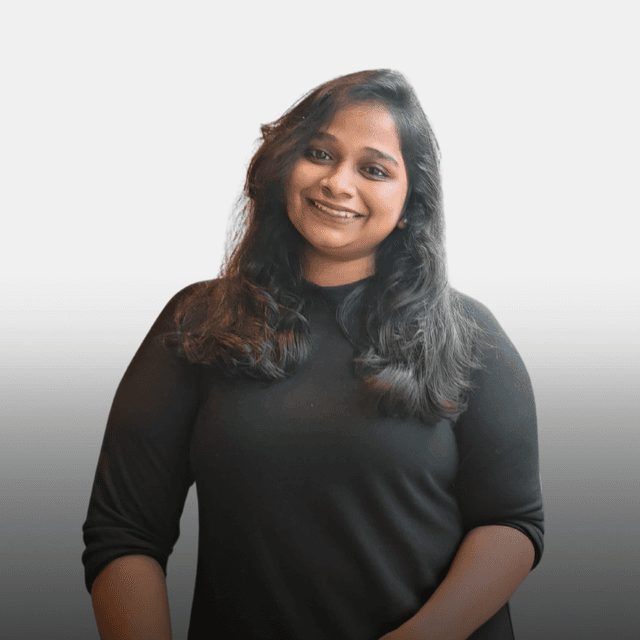
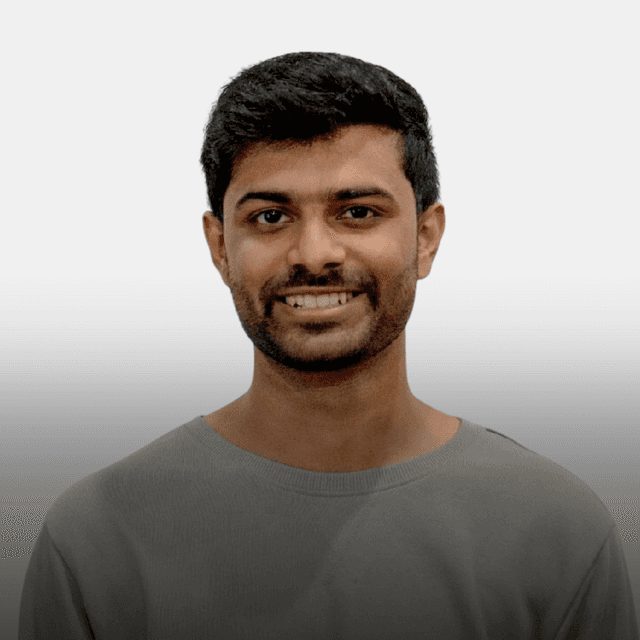
People from Bversity's industry faculty, who work in drug discovery, genomics, real-world evidence and biotech today.
Both cities share the online evenings, then meet in person on the same weekend. Venues are announced to confirmed participants.
Early bird ₹19,999 + GST for the first 5 seats in each city.
Invites open 2 November and close 25 November. Your seat is confirmed on payment.
About five minutes. Tell us where you work and what you'd build. We reply by email within three working days, so please keep an eye on your inbox.
Thanks, there. Your request for is in. We'll email you at within three working days, so please check your inbox, and your spam folder too. Questions? WhatsApp +91 81447 99592.
Yes, if your day-to-day work is in life sciences. We check the employer on the form.
Yes. Many of the best tools come from people who sit between the science and the systems. You'll work on a life-science problem alongside people from safety, clinical, regulatory and discovery roles.
No. You assemble the tool from existing AI parts with the specialists, and learn what each part does. Comfort with data in Excel, SAS or R is enough. Basic Python helps on discovery builds.
No. The problem and the scope are yours to set, so if you're comfortable with code you can take on a more ambitious tool. The specialists will push you as far as you want to go.
Yes, as long as it can be built on public or synthetic data. Bring the question, not your company's data. On the first evening a specialist helps you shape it into something you can finish in the week.
Four evenings online, Monday to Thursday from 7:30 to 9:30 pm, then Friday to Sunday in your city. Friday 4 December is the only working day you need to take off.
You need Friday 4 December off. If it helps, here is a short version you can send.
A laptop you can install software on. A personal laptop is usually easier than a work one, since company machines often block installs. We share everything else, including the datasets and tool credits, before the first evening.
Yes. Travel and stay are not included, so you would arrange those yourself. The online evenings work from anywhere.
Announced to confirmed participants in each city.
There are 15 seats in each city. We read every request and look at where you work and the problem you'd like to build. Once we invite you, your seat is confirmed on payment.
You keep the tool and join the alumni circle, which meets every month in each city. It also runs demo nights and an opportunity board for its members.
Bversity School of Bioscience, based in Chennai, runs degree and postgraduate programmes in biotechnology and bioinformatics. Its PG Programme in Bioinformatics, Genomics and Data Science is certified with IIT Madras Pravartak, and its graduates work at companies including 4baseCare, MedGenome and Decode Age.
Biotech Foundry is its first programme for working professionals. More at bversity.io.
While I was doing my PhD in Germany, if I needed a tool for my research, I had to build it myself, usually late at night and with nobody to ask. The people I meet at GCCs in Bengaluru and Hyderabad already know which tool would help their team. What they rarely get is a week to build it, with someone beside them who has done it before.
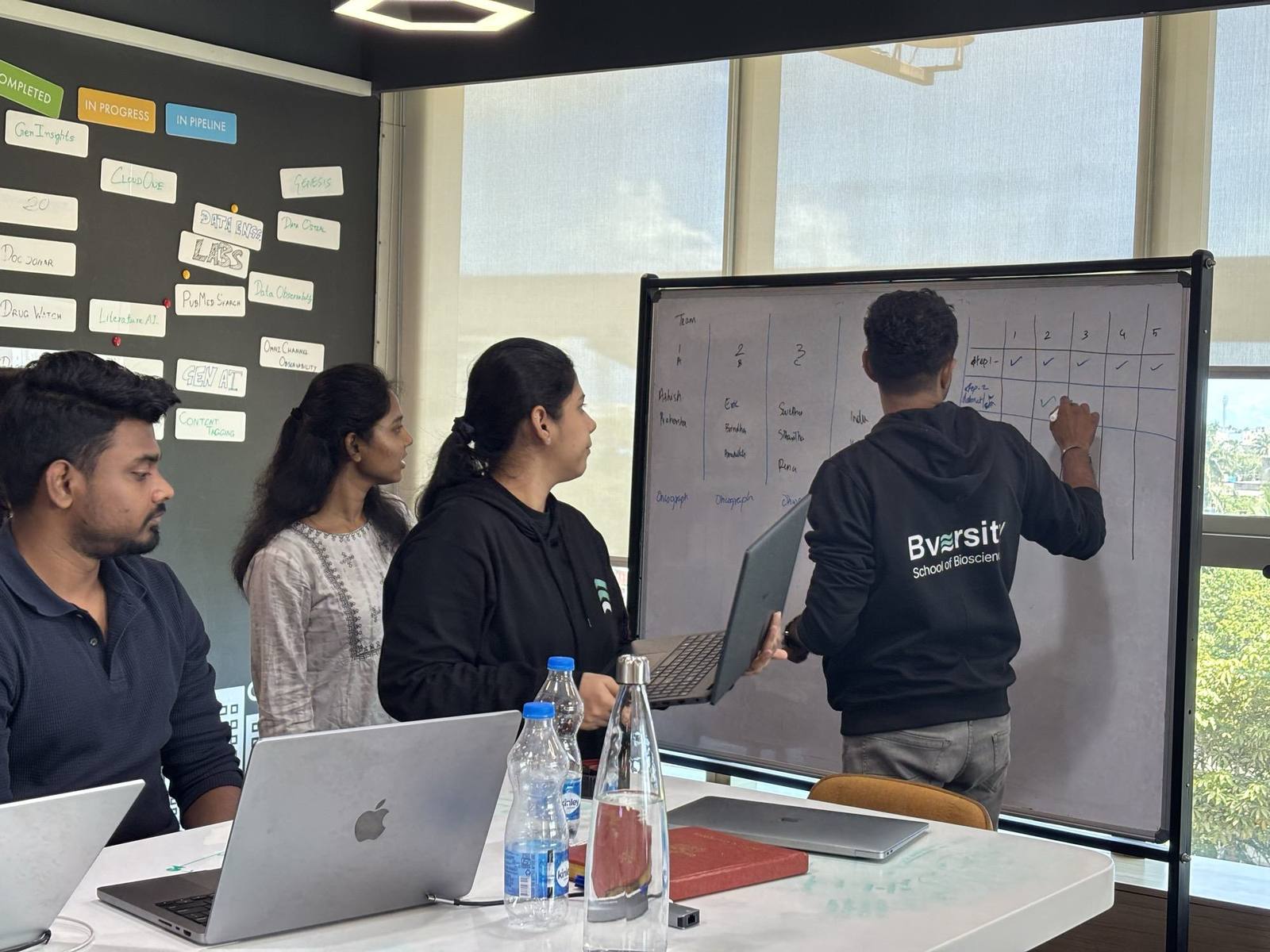
Demo night, in Bengaluru and Hyderabad. Invites close on 25 November.
Request an invite